Machine Learning Projects, Help you learn machine learning through real world practice instead of only studying theory. By working on different projects, you understand how data is collected, processed and used to make smart predictions. Whether you are a beginner or an experienced learner, these projects improve your coding, problem solving and analytical skills. They also help you build a strong portfolio that can support your academic goals and career opportunities in artificial intelligence and data science.
Why Machine Learning Projects Matter
Machine learning projects are the best way to turn theoretical knowledge into practical experience. They help learners understand how machine learning solves real world problems while building valuable technical skills.
- Hands On Learning: Build practical knowledge by working on real datasets and models.
- Skill Development: Improve programming, data analysis and problem solving abilities.
- Portfolio Building: Create impressive projects that showcase your expertise to employers.
- Career Growth: Increase your chances of finding jobs in AI, data science and software development.
- Real World Experience: Learn how machine learning is used in healthcare, finance, education and other industries.
- Better Understanding: Understand algorithms more effectively through practical implementation.
- Confidence Boost: Gain confidence by completing projects from start to finish.
Working on machine learning projects consistently helps you become a better learner and prepares you for real-world challenges in artificial intelligence.
Machine Learning Project Lifecycle
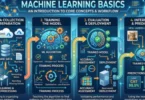
The Machine Learning Project Lifecycle is a step by step process that helps developers build, test, deploy and improve machine learning models efficiently.
- Problem Identification: Clearly define the problem and set the project goals.
- Data Collection: Gather high-quality data from reliable and relevant sources.
- Data Preparation: Clean, organize and format the data for better accuracy.
- Exploratory Data Analysis (EDA): Analyze the data to discover patterns and trends.
- Feature Engineering: Select or create useful features that improve model performance.
- Model Selection: Choose the most suitable machine learning algorithm for the task.
- Model Training: Train the model using the prepared dataset.
- Model Evaluation: Test the model with performance metrics to measure accuracy.
- Model Deployment: Deploy the trained model into a real application or system.
- Monitoring and Maintenance: Continuously monitor performance and retrain the model when needed.
Following a structured Machine Learning Project Lifecycle helps create reliable, accurate and scalable machine learning solutions.
Popular Types of Machine Learning Projects
Machine learning projects come in many forms, allowing beginners and professionals to solve different real-world problems.
- Classification Projects
- Regression Projects
- Recommendation Systems
- Computer Vision Projects
- Natural Language Processing (NLP) Projects
- Time Series Forecasting
- Clustering Projects
Choosing the right type of machine learning project helps you gain practical experience and develop skills that match your learning goals.
Essential Tools for Machine Learning Projects
Machine learning projects require a few important tools that help beginners build and test models easily.
- Python
- Jupyter Notebook
- Google Colab
- Pandas
- NumPy
- Scikit-learn
- TensorFlow
- Keras
- Matplotlib
- Git & GitHub
Learning these tools will make it easier to create and manage successful machine learning projects.
How to Make Your Machine Learning Project Stand Out
A well-planned machine learning project can attract more attention and demonstrate your practical skills effectively.
- Solve a real world problem with your project.
- Use a clean and well structured dataset.
- Improve model accuracy through careful testing.
- Add clear charts and visualizations.
- Build a simple and user-friendly interface.
- Write detailed and easy to read documentation.
- Explain your results with practical examples.
- Optimize your project’s speed and performance.
- Publish your project on GitHub or a portfolio website.
- Keep updating your project with new features and improvements.
A unique, polished and well documented project leaves a strong impression and showcases your machine learning expertise.
Common FAQs About Machine Learning Projects
Here are Some FAQs of Machine Learning Projects:
How long does it take to complete a machine learning project?
The time depends on the project’s complexity. A simple beginner project may take a few days, while advanced projects can take several weeks.
Do I need a powerful computer for machine learning projects?
No. Most beginner projects can run on a standard laptop. More advanced deep learning projects may require a GPU or cloud computing service.
Where can I find free datasets for machine learning projects?
You can use free datasets from platforms like Kaggle, the UCI Machine Learning Repository, Google Dataset Search and government open data websites.
Can I build machine learning projects without a mathematics background?
Yes. Basic knowledge of algebra and statistics is helpful, but many beginners start with practical projects and learn the required math gradually.
What is the best way to evaluate a machine learning project?
Use appropriate evaluation metrics such as accuracy, precision, recall, F1-score or RMSE, depending on the type of problem you are solving.
Should I use pre-trained models in my projects?
Yes. Pre trained models can save time, improve performance and help beginners build advanced applications without training from scratch.
How can I keep my machine learning model up to date?
Retrain your model with fresh data, monitor its performance regularly and update it whenever new patterns appear.
Can machine learning projects be added to a resume?
Yes. Well-documented projects with clear results can strengthen your resume and demonstrate your practical skills to employers.
Conclusion
Machine Learning Projects are one of the most effective ways to gain practical experience and develop real world problem solving skills. By selecting the right project, using quality data, applying suitable tools, and following proven best practices, you can build models that deliver meaningful results. Whether you are just starting or expanding your expertise, consistent practice and continuous learning will help you create better projects and grow your career in Artificial intelligence.